Disney and Netflix Are Courting Creators. YouTube Is Playing Hardball to Keep Them
On Sept. 23, YouTube gathered a couple hundred of its top creators at Pier 57 in New York City for its annual “Made on YouTube” event. The showcase is where YouTube reveals new initiatives for its creator community, giving attendees a sneak peek at what the video platform has been cooking up in its Skunk Works, like new AI video editing tools. But this year, YouTube wasn’t the only platform on their minds.
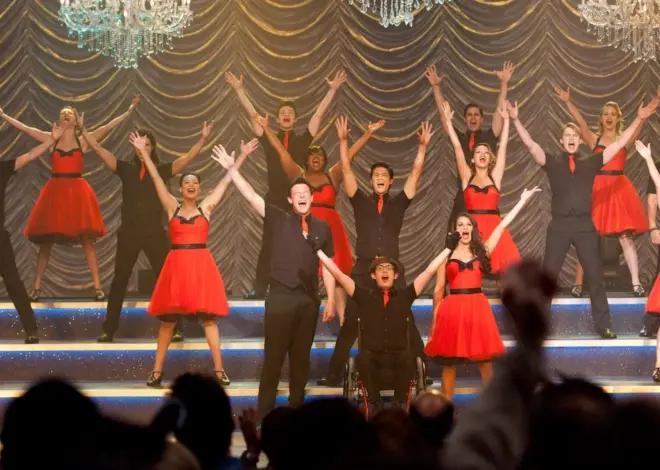
Read more Don’t Stop Believin’: ‘Glee’ Revival a Go at Disney+ and Hulu
Netflix, Disney+, Tubi and others are aggressively cutting deals for top creators, in some cases securing wholly original programming or day-and-date releases with YouTube, offering millions of dollars in the process. The Google-owned video platform is not taking it lying down, launching a carrot-and-stick approach to try and keep its place as the primary home for top talent. “It’s a very good time to be in the creator business,” says Adam Wescott, CEO of Home Game Studios, noting the demand for their work. With creator-owned studios proliferating nationwide, it’s a battle that could portend the future of streaming entertainment.
It started with kids and family content. Netflix, seeking to bolster its kids programming, inked deals for YouTube native content from CoComelon, Ms. Rachel and Mark Rober. It worked, with all three becoming among the most watched programs in the category. The streamer subsequently ordered originals from them and began to reach out to creators in other genres, spanning food (Nick DiGiovanni), talk (Good Mythical Morning with Rhett & Link) and teen content (Alan Chikin Chow).
Rich Greenfield, the LightShed analyst, believes Netflix has committed upward of $1 billion on creator and podcast programming over the next three years (still, admittedly, a very small slice of its $20 billion annual content budget).
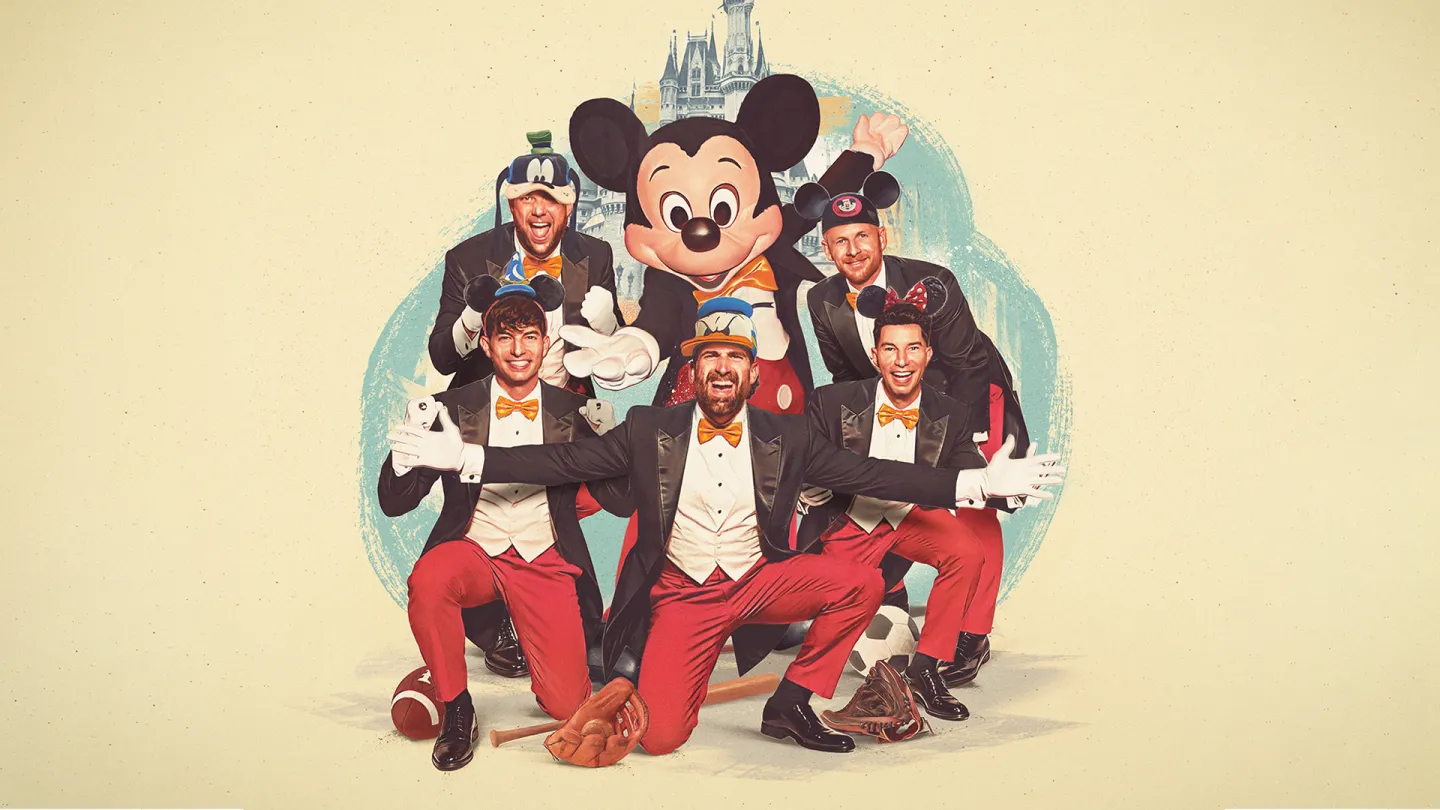
But Netflix only started the current war. Disney has long worked with creators, but recent months have seen wide-ranging deals with the likes of Dhar Mann, Dude Perfect and Like Nastya as it seeks out family-friendly and on-brand creators who can live on Disney+. And the company recently hosted a creator event at the El Capitan Theater and Disney Studios Lot, with some 350 creators to further forge those relationships. Tubi, the Fox-owned streaming service, has inked deals with dozens of creators for both originals and library fare.
There’s already hope in the creator community that Skydance is about to follow them, with new co-CEO Ynon Kreiz having served as the CEO of Maker Studios.
But why are these other streamers so eager to get in the creator business? Multiple sources paint a picture built around audience, money and speed. The larger studio platforms and streamers desperately want to have a product that appeals to the younger, digitally native audience that religiously watches creator content on YouTube.
“I think creators really do value, in the right circumstances, the elevation and amplification of being on a main channel platform like a traditional media company,” says Akshay Mehta, the CEO of Lighthouse Studios, a creator entertainment studio. “Creators are creatives fundamentally. They just discovered that in the last 15 years, for a lot of people, the best way to be creative is to go make stuff on YouTube.”
The money certainly helps. Multiple sources on the creator side stress that they need funding to help pursue some of the ideas they have, and such places as Netflix, Tubi and Disney are helping them do that. The big streamers are funding original shows and offering help to break into areas like consumer products or live experiences (that was a key piece of Disney’s Dude Perfect deal).
Streamers also are banking that creators can not only bring their audience with them but fill their libraries with content that is, frankly, dramatically less expensive than traditional fare and that is produced at a more rapid clip. “These platforms have seen this shift, and they can’t ignore it,” says Nic Paul, the president of the creator services company Spotter. “They all have subscriptions, they all have ad-supported products, even at Netflix, the ad-supported product is becoming a lot more of the focus. There’s a lot of churn. Everyone is like, how do I create enough content fast to keep audiences engaged? Because if you think about it, Stranger Things on Netflix, I’ve got to wait a year plus for a season, and creators are obviously very fast at putting out IP.”
Indeed, one top creator who has a deal with a streaming platform says they told their new partner that they can produce an hour’s worth of programming at perhaps 10 percent of the cost (or less!) of a traditional comedy, drama or unscripted concept, all at a faster pace.
But what has surprised creators more than anything is how hard YouTube is fighting back. The platform is a juggernaut, and it would be just fine if it lost top creators to other places. But it is waging a multipronged effort — with both incentives and threats — to try and convince creators to make YouTube their primary home. Many of the incentives focus on brand deals, with YouTube significantly increasing its resources in the space. Some creators see YouTube’s brand deals as a way to subsidize or pay for content that they want to make, given that YouTube does not pay to license content in the same way platforms like Netflix do.
“Given the cultural phenomenon that YouTube creators are, and this sort of juggernaut that they are in the culture out there, of course other streaming platform services have taken note,” YouTube CEO Neal Mohan told the Big Technology podcast after Made on YouTube when pressed on the dispute, adding that even as MrBeast produces his Beast Games for Prime Video, he still keeps YouTube as his home base. “And, frankly, I think that’s flattering to our creators.”
Read more ‘La Bola Negra’ Producer Domingo Corral Touts HBO Max TV Deal: “I’ve Found a Home”
But YouTube also has played hardball, with one creator telling THR that they were “shocked” at the platform’s approach. On the one hand, some of the threats are reasonable: YouTube selects a handful of creators to appear onstage at its annual Brandcast upfront event, a high-profile stage that can lead to major deals. And it has supported Emmy campaigns for creators in certain categories. Those would stop for creators who shift their allegiances to other platforms. (Netflix and Disney already have promised to bring creators to their own upfronts next year and fund some Emmy efforts, according to sources.)
And they have even suggested that creators may not be eligible for YouTube Select, an ad program for its very top creators. That caught some creators off guard, as it was seen as an objective program based on reach and scale and is built around videos on YouTube. “That was never their approach in the past,” says Wescott. “It was always about supporting creators and reminding them why YouTube was their home.”
The platform still plays that game, though even there the tone has become somewhat combative, as one creator notes to THR. Earlier in October, comedian Lilly Singh returned to YouTube after a years-long hiatus, once again creating original content after working in Hollywood. In an interview YouTube posted to its blog, she did not hold back.
“Hollywood has real systemic issues, especially for women and people of color. Over the past few years, I received countless notes that weren’t about improving the project, but about making it ‘more palatable,” ‘more marketable,’ or ‘less niche.’ That is fundamentally anti-creative. Our job is to tell our stories unapologetically,” Singh said. “On YouTube, there are no gatekeepers demanding I make my brain baby more palatable for the masses. That authenticity is why my channel worked in the first place.”
Message received.
But why is YouTube seem so interested in keeping creators on-platform? Especially because, as Mohan notes, it’s a good thing for the ecosystem when others are interested?
“On the surface, YouTube should not care. Creators are not launching their careers on Netflix or Disney+,” LightShed analyst Greenfield wrote on Oct. 9. “We suspect YouTube is concerned because the top 20-50 creators have an outsized importance to its major brand advertising commitments each year. Most brands only know a select group of high-profile creators. If brands start to see those creators appearing on Netflix… does a brand start to ask why it is paying YouTube for creators it can find in a curated, brand-safe environment elsewhere?”
Advertising is at the heart of the battle, with the ad-supported Tubi competing with Netflix and Disney (each of which is leaning into ads) for creator deals. Creators, of course, are used to working with brands. “A dirty little secret of our space is 90 percent of the revenue is brand endorsements, influencer marketing,” Wescott notes.
Still, none of the creators (or those who worked with top creators) suggest that they will completely leave YouTube, even if they may still cut deals to develop original ideas elsewhere. And it isn’t just out of loyalty to the platform that made them or that funds them (Instagram and TikTok, they note, pay basically nothing).
“I think you’ll be hard pressed to find a successful YouTube creator who’s willing to walk away from that platform, because it’s what they know, it’s where their audience is, it’s where they grew their business, and it’s where they have the most direct control,” says Wescott. “You’re still playing on someone else’s playground, but YouTube is not telling you what to post on your channel. The other guys are going to have some sort of opinion on what you create on the original side.”
For an ambitious creator, it may mean taking a more strategic approach to how, when, and where they choose to produce content.
“I’m distributing on [YouTube], I’m paying for everything, I’m getting paid, which is amazing, but now I’ve got to start thinking like a CEO and be like, wait, hold on, strategically, what is my distribution? Where is my next thing coming from?” says Paul.
It’s a question that will be felt across the entertainment world.
This story appeared in the Oct. 21 issue of The Hollywood Reporter magazine. Click here to subscribe.
Read more ‘Doctor Who’ Star Noel Clarke Pleads Not Guilty to Sexual Assault, Voyeurism, Exposure