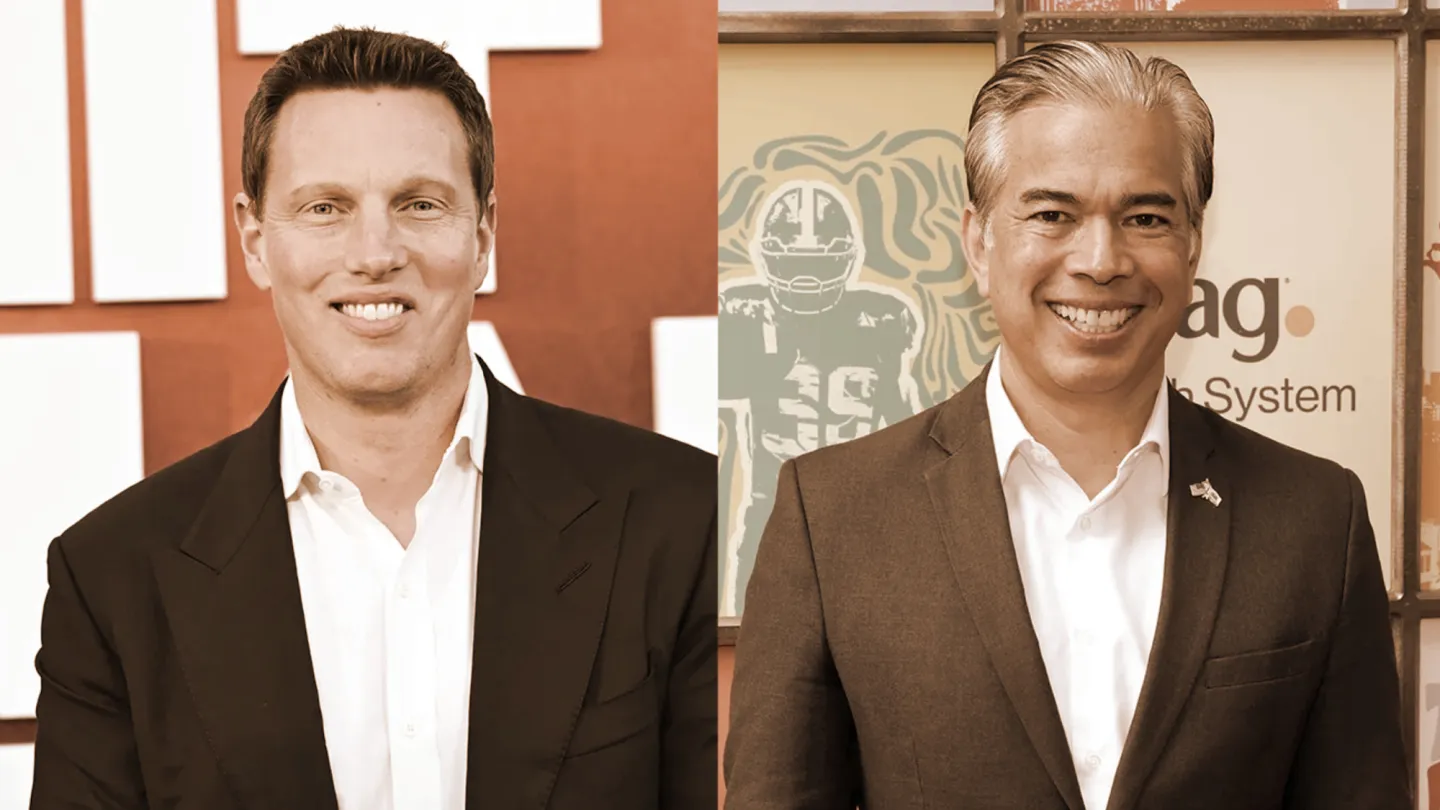
There’s a Deal, Now It’s All About the Details. Paramount, 12 States to Settle Warner Bros. Fight
They have a deal.
After days of marathon negotiations, Paramount Skydance and the state attorneys general have settled the blockbuster antitrust lawsuit over the $111 billion Warner Bros. Discovery acquisition, according to multiple reports.
Read more Movie Theater Advertising Giant Closes $275 Million Deal to Expand to Offices
The agreement is expected to be announced later Monday (on Yom Kippur, no less).
But it also clears Paramount to close the deal, which had a so-called $7 million-per-day ticking fee set to begin Oct. 1. The settlement allows the studio to avoid paying those costs assuming it can close in the next 10 days or so.
The agreement comes after months of what has been a bitter and public back and forth, with threats by Paramount to leave the state of California (Texas and Tennessee both courted the company), accusations of antisemitism levied at some critics of the deal and a political undercurrent running just beneath the surface of the whole thing, given the Ellison family’s relationship to President Donald Trump, Rob Bonta’s own political ambitions and the hyper-politicized nature of dealmaking today.
The state attorneys general, led by California’s Bonta had sued to block the deal, alleging that the merger would give the combined Paramount-Warners too much control over basic cable TV and the theatrical film business. The Writers Guild of America later joined the fray, with a lawsuit that argued the merger would suppress wages and worsen working conditions for writers by creating a single mega-buyer of film and television programming. Earlier this year, consumers had also filed a complaint challenging the purchase.
Ellison, for his part, promised to release a minimum of 30 films per year theatrically, though many in the industry remain skeptical about how long the company can sustain that level of production.
Bonta had maintained he’ll only accept structural remedies, which typically involve companies selling off parts of the combined business. It’s believed a sticking point for the states in any settlement involved Paramount operating the two studios as independent businesses and selling off parts of its cable business. For Ellison, parting ways with CNN was a no-go.
Read more Netflix’s ‘Cliff Booth’ Trailer Has Brad Pitt Taking a Playful Poke at Leonardo DiCaprio
Still, the specifics of a deal are still TBA, including any potential divestitures.
The legal and public message jockeying in the court battle was contentious. Leading up to the deal, Paramount had said it would leave California if an agreement wasn’t struck by Oct. 1, when the so-called ticking fee starts accruing, regardless of the outcome of the lawsuits — a move Bonta had called “blackmail.” This came after the studio came to terms with Bonta and the WGA in a joint agreement to hold off on consummating the merger until a trial had determined whether it violated antitrust laws, though it was scheduled for next year.
Across the litigation, Paramount had been rankled that the government and dozens of foreign regulators cleared the purchase. In June, the Justice Department’s Antitrust Division found that the acquisition would actually increase competition across media and entertainment. The decision cleared the way for Paramount to become among the largest theatrical distributors in the country and own a top five streamer by subscriber count, until the deal was challenged by the states. Notably, the green light didn’t require any divestitures, behavioral remedies or concessions.
Paramount has framed the merger as one that will boost competition, arguing it’s necessary to compete against tech giants like Netflix, Amazon and Apple. Hollywood will soon see whether that’s true.
Read more Josephine Vaccarello Named President of MSG Entertainment