Trump Trade War With Canada Puts Film, TV Spending Rules in Crosshairs
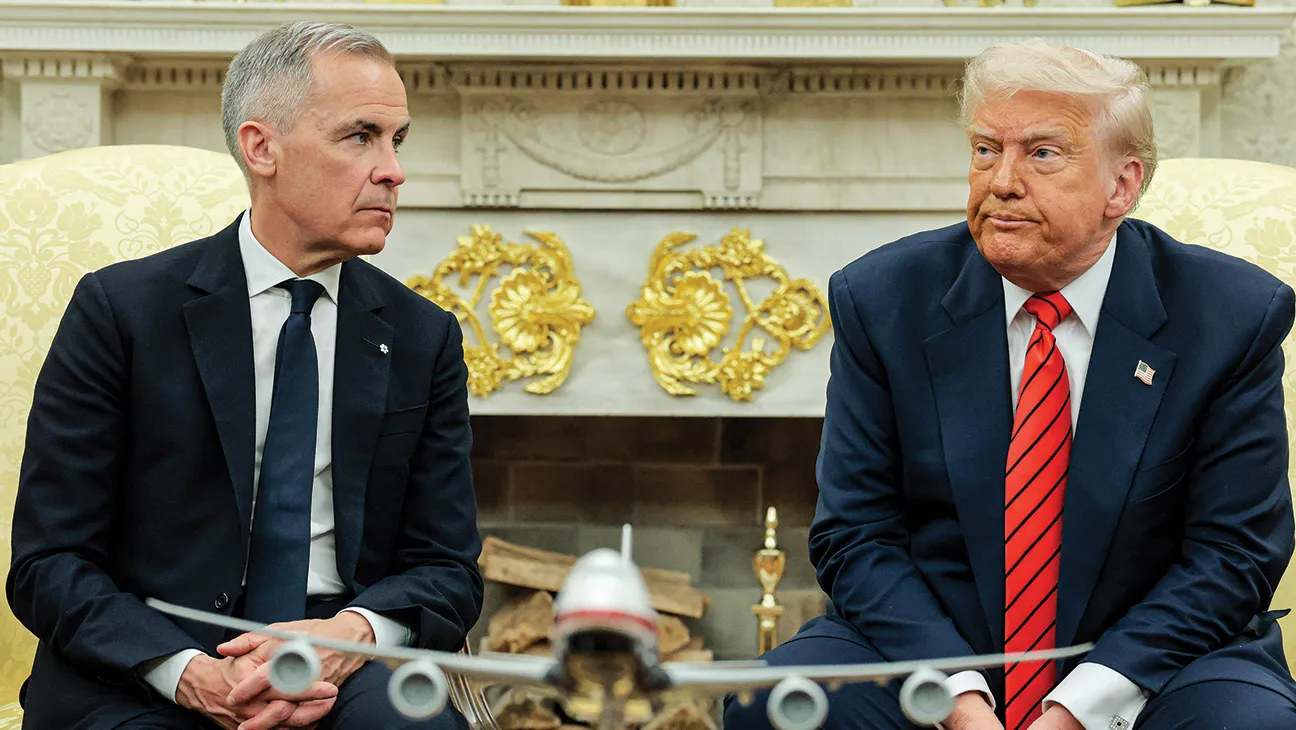
As Donald Trump’s fight with Canada over tariffs escalates into a full-blown trade war, content spending by major Hollywood studios in the country hangs in the balance.
Read more Disney Tightens Spousal Health Benefits as Industry Costs Surge
Under rules set up in Canada, U.S. digital giants — think: Netflix, HBO Max, Disney+ and more — are required to spend a certain amount of money on what’s deemed local content, as in films and shows meant for Canadian audiences. U.S. producers have held up this plan, titled the Online Streaming Act, by appealing the legislation in the courts, and the Trump administration has swept up the issue into their much broader trade fight with its northern neighbor.
Now, local Canadian producers are urging its government to bring back those plans to force American companies to help subsidize domestic film and TV production. Lawmakers in Canada, in an effort to be diplomatic, had rescinded that Online Streaming Act to get more favorable terms on a possible cross-border trade and tariffs deal. It didn’t work out. So the knives are coming out from some producers for restoring plans to draw subsidies from U.S. companies.
“Last night, the federal government stood up for Canada by refusing to agree to an inequitable trade deal. We look forward to working with the government to ensure that, whatever happens next, the Online Streaming Act, a key pillar of Canadian cultural and digital sovereignty, is defended,” Reynolds Mastin, president and CEO of the Canadian Media Producers Association, representing indie producers, said after Canadian prime minister Mark Carney broke off crunch talks late Friday.
“Canadians must remain in control of their own stories, with global platforms that generate billions of dollars from our market playing by Canadian rules and contributing meaningfully to a strong production ecosystem,” Mastin added.
Carney, addressing a press conference on Saturday, said the trade talks were abandoned in part after American negotiators objected to digital-content rules around the French language that can lead to higher operating costs for U.S. companies looking to get content into French-speaking Quebec.
Carney said the disagreement over French language rules for American companies amounted to an attack on Canada’s culture and identity. “There were efforts to restrict our protections of our language, our culture, and in effect, our sovereignty,” he told reporters, without giving details.
Read more ‘How to Lose a Guy in 10 Days’ Sequel in the Works at Paramount
Canada has set a program of retaliatory tariffs on the U.S. to take effect on Sept. 8 after walking away from the trade deal negotiations. And after new U.S. tariffs came into effect, U.S. president Trump threatened additional tariffs on Canadian cars and trucks headed for the U.S. market after on Sunday he took to his Truth Social platform to claim “Canada wants the benefits of being a State, without being one!!!”
That accusation, an echo of consistent 51st state taunts by Trump, has escalating cross-border trade and political tensions between the U.S. and Canada casting an even bigger shadow over the domestic film and TV industry. To better its chances at reaching a possible cross-border trade deal, Ottawa in early June killed regulatory plans to triple a local tax on foreign, mostly U.S. streamers as part of its Online Streaming Act legislation now held up in the courts before possibly becoming law.
American negotiators and representatives have argued forcing U.S. digital giants to finance Canadian media content production amounts to discrimation towards U.S. companies. Local unions and guilds and indie producers have countered by looking to American web giants to dig deeper in their pockets to underwrite the cost fo producing homemade content.
Carney and his Liberal Party government this summer chose instead to rescind the spending obligations on American digital giants around the Online Streaming Act and asked taxpayers to pay an extra $600 million for homegrown media content to avoid Trump causing a perfect storm by implicating audiovisual content in North American free trade talks.
Now that Canadian culture content and language rules have been glaringly pulled into the trade talks, that has implication internationally where governments have similarly considered imposing regulation and taxes on dominant foreign streamers in their markets to fund domestic film and TV industry ambitions.
Read more ‘Buzzkill’: Horror-Comedy Starring Siena Agudong, Brec Bassinger Sets Fall Release (Exclusive)