‘DTF St. Louis’ Creator Steven Conrad Has No Plans to Make More Movies
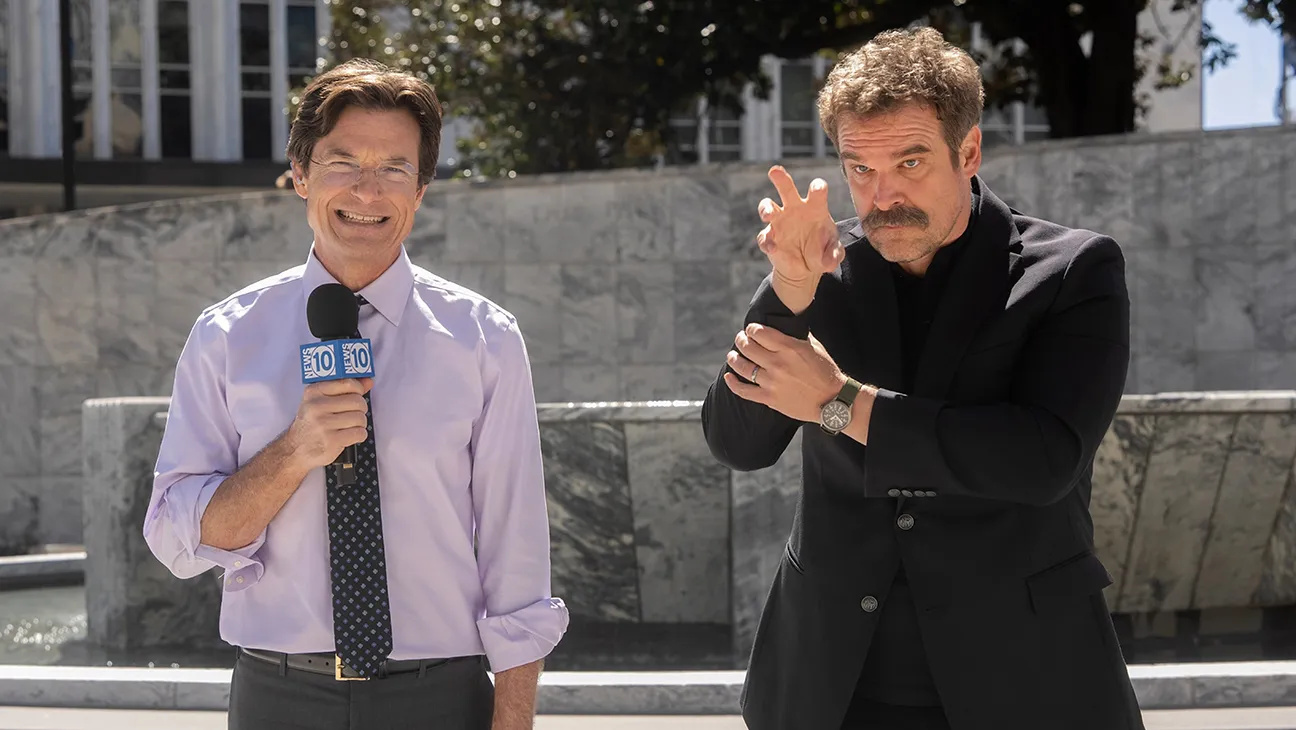
When he was 19 years old, Steven Conrad sold his first screenplay, for Wrestling Ernest Hemingway. In the nearly 40 years since, the Florida native has gone on to write Oscar-nominated films (The Pursuit of Happyness) and create acclaimed TV series (Patriot), but he’s found a kind of career landmark with DTF St. Louis, his savvy exploration of middle-aged friendship and sexuality among Floyd (David Harbour), his wife, Carol (Linda Cardellini), and his new friend Clark (Jason Bateman). “I don’t think I’d been nominated for anything before,” Conrad says. Now he’s up for Emmys for producing, writing and directing the HBO limited series — which received 13 nominations. “I haven’t made anything that had this kind of attachment to this thing in our business,” he says. “It’s all new, and I don’t know quite what it means. But I’m happy that people are watching the show. That means a lot to me.”
Conrad talks with THR about exploring male friendships, directing his own writing and why he’s focusing on television for now.
There’s a lot of admiration for the way that you explored modern male friendship in this show. Can you talk about the approach you took and the conversations it’s sparked?
It’s the sort of thing that can go missing from your life — a meaningful friendship, one that you can invest some of your emotional life in, to get good news and then want to share it with this person. When you’re a kid, maybe it just happens a little more regularly, but when you grow up, it can really vanish without you even knowing that it did. There can be periods where you just have a realization that you just don’t have all that many people that you would consider friends. Most of us have colleagues and family members, extended family members.
When you are able to absorb the entire run of DTF, it’s positioned initially as this MacGuffin, with this murder case. What it really amounts to between the characters, Clark and Floyd, is some means to organize their friendship around some naughty thing that they can talk about in the fort privately. It had more to do with stimulating their friendship than stimulating their sexual lives. And then I guess it latched on to a period where men were starting to realize in real life that these friendships were not there.
There’s also a unique exploration of sexuality among the three of them. What were you hoping to find there?
Carol’s sexuality is very different from Clark’s, which is very different from Floyd’s. If you have these things, these appetites like Clark has — to want to do X, Y, Z with an intimate partner, and he hasn’t explored those with his partner — they don’t go away. He doesn’t have the courage to incorporate this into his marriage, so what is your obligation to those kinks? Clark allowed me to write about that type of individual sexuality, the person who has forestalled an exploration of the depths of their sexuality. I don’t think I would’ve felt good about a show if I only had one character who was swimming in those waters because they’re all so different. I felt confident when there was more than one, and that this could be a set of deliverable themes. It became important to me to try to do it in a way that seemed genuine and relatable to anybody who is living and breathing and has grown up.
As you mentioned, you open the show with this crime frame that is more familiar to a TV viewer, but it gets more complex and original the deeper you get. What were some core moments for you in understanding that balance?
The launching points I have for a story deepening are different from other writers — for me, they’re images. Wanting to install a swing set in your backyard, which is all Clark wanted to do; it’s heavy and he needed his friend to help, but there’s a moment where he just found himself blocked and seated on a swing next to this new friend. When that landed for me, I knew I was going to block that scene that way, then the childish need to be with another person sometimes just to feel safe or to cope. You would think you’d get meaning and then blocking — that you wouldn’t get blocking and then meaning. Being able to direct my own writing, which eluded me for most of my career, now I can explore knowing that I’m going to control the directing part of writing for film. It’s allowed me to discover stuff like that. And then casting is not something anybody really cares to ask a writer’s opinion about generally, but they have to contend with my opinion now. And casting two guys who I just knew that they would be giving off this magnetism and they could draw each other together.
You work primarily in TV now, after previously being associated with movies. What’s the appeal of the longer format?
If you’re good at making serialized TV, one of the things you then will be good at is delivering episodes and then delivering seasons and then delivering a series. There are three different ways to occupy an audience. There have to be three different approaches to this story. I took that so seriously that in the TV show Patriot — the first one that this crew all made together — when it came time to present the episode titles, we ended up using handcrafted one-off art each time.
I treat episodes very differently. They have their own arc; their own payoffs; their own beginnings, middles and endings. Caring to try to be good at doing that at the end of the day leaves you feeling proud about the feat. It’s a lot of work. I haven’t obligated myself to a film or been connected to a film for a few years now, and I don’t have any plans to do it. It just seems it’s kind of gone from my future, this idea that I would make films again. My appetite to continue to make television is really it now because of the length of the engagement.
It’s also a longer engagement with the audience.
People think about that differently than they do their favorite movie. Films just feel like they’re in frames in a museum to me. Like The Godfather — I admire it. But I feel connected to Succession. I know they’re not my family, but there’s an attachment I have to the extended ordeal that everybody has gone through and the multiple characters that makes me feel like I’m not outside it. That’s what television means to me today.
Do you think that the week-to-week release also helps that? This was one show where I observed it gaining this momentum to become appointment Sunday-night viewing.
There is something in the ritual of the night. We got lucky that we were on Sunday night because that’s an important night at HBO. Somehow the universe just quiets down over the course of Sunday afternoon into a hush. You’re feeling all this dread — everybody knows the Sunday feelings about school on Monday — so people were in that frame of mind. I like it if a show comes out every Sunday night. I don’t know if I would like it so much if it was Tuesday at 7 p.m.
This story first appeared in an August stand-alone issue of The Hollywood Reporter magazine. To receive the magazine, click here to subscribe.
Read more Nick Reiner Blocked From Trust Fund Due to “Slayer Statute” Amid Charges For Parents’ Murder